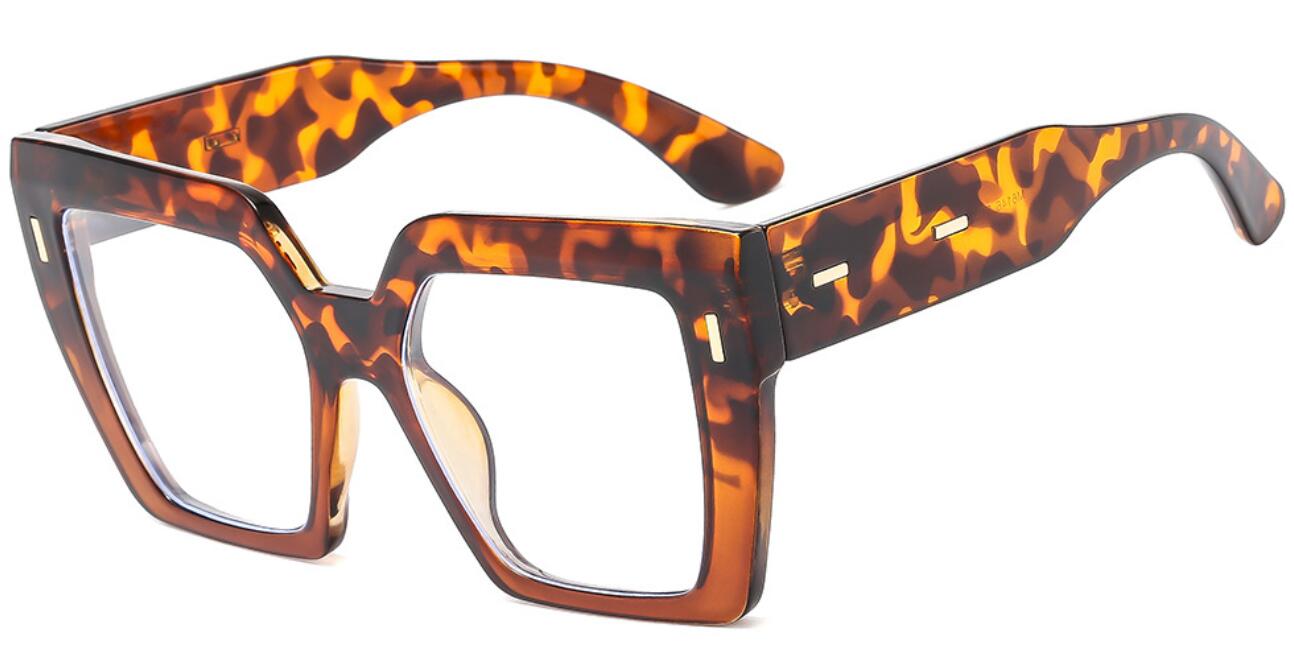
I once believed these common myths about reading glasses prescriptions. Now, I'm sharing the real story on how to find the best eyewear for your needs. Many people get this wrong, which can harm both their vision and their budget. Let me set the record straight. Understanding what truly matters is essential before you make a purchase.
This is one of the most widespread misconceptions. Many assume choosing reading glasses is straightforward—just grab any pair off a drugstore shelf. They often think a generic strength like "+2.00" works for everyone and that their specific prescription isn't that critical. What they're missing is that every person's eyes are unique. A power that works for a friend is not necessarily right for you.
Consider this scenario: someone guesses their power and buys inexpensive glasses online. Later, they complain, "I bought cheap glasses online with my power, but they still gave me headaches. My vision was blurry, not clearer." This is a frequent outcome of guessing, which leads to discomfort rather than clear sight.
The Truth: Your reading eyeglass prescription is highly specific, tailored exclusively to your eyes. Using an incorrect power can cause headaches, eye strain, and may even worsen your vision over time. A proper pair of reading glasses aligns perfectly with your visual needs, delivering clarity and comfort. Never compromise on this.
Verdict: Always know your correct reading eyeglass prescription. Schedule an eye exam and never guess your power. Your eyes deserve a perfect fit.
Some view reading glasses as mere tools, believing aesthetics are irrelevant. They might settle for plain, unattractive frames, thinking, "Who cares how they look?" This perspective overlooks a crucial fact: if you dislike how your glasses look, you'll be less inclined to wear them. And if you don't wear them, they can't help you see.
Picture someone who says: "These glasses work, but I hate how I look in them. They're bulky and make me feel old. I avoid wearing them in public." This person owns functional glasses but rarely uses them, defeating their purpose.
The Truth: Style absolutely matters! When you feel confident in your glasses' appearance, you're more likely to wear them consistently. This leads to better vision and reduced eye strain. Fashionable frames, like Mozaer's Vintage Oversized Square Anti Blue Light Reading Glasses for Women and Men, can significantly boost your confidence. Today, you don't have to choose between looking good and seeing clearly.
Verdict: Select glasses that reflect your personal style. Choose frames that make you feel confident and good about yourself. Opt for trendy designs you'll actually enjoy wearing.
Many dismiss "anti-blue light" as a marketing ploy, skeptical that screen emissions can genuinely harm their eyes. To save money, they often skip this feature, spending hours on devices while ignoring the potential impact. Here's what they don't understand about screen time and eye health.
Think of someone who overlooked this: "I skipped the blue light feature. Now, after long computer sessions, my eyes are always tired and dry. I regret not paying more attention." This sensation of fatigue and dryness is a classic symptom of digital eye strain, and it's very real.
The Truth: Blue light from phones, tablets, and computers is pervasive. It can strain your eyes and disrupt your sleep cycles. Anti-blue light lenses are engineered to filter out a portion of this harmful light, making screen time far more comfortable. This is a proven benefit, especially for frequent digital device users. It's not a gimmick—it's a practical measure to safeguard your eye health.
Verdict: Protect your eyes. If you regularly use screens, consider glasses with anti-blue light features. It's a modest investment for long-term comfort and eye health.
This myth leads many to make poor decisions. People often opt for the cheapest available pair, convinced that all frames and lenses are identical regardless of price. They view spending more on reading glasses as wasteful. However, this is a costly mistake in the long run.