I used to believe these myths about progressive readers. Here's the truth about what works and what doesn't. Don't fall for common traps when you buy your next pair of glasses.
Finding the right pair of progressive readers can change your daily life. They help you see clearly at all distances without switching glasses. But many shoppers hear wrong ideas that can lead to bad purchases. It is time to set the record straight.
You need to know these important points before you spend your money:
Many people think one pair of progressive readers is just like another. They believe the brand or price doesn't really affect how well they see. This is a huge mistake. The truth is, the quality and precision of your progressive lenses vary a lot.
What people experience when this myth is wrong: Imagine spending a lot of money, only to get glasses that don't work. One user shared a terrible story: "I spent $650.95 on two pair of glasses. For whatever reason, I only got the lenses on one pair, so I couldn't try them. The other pair was completely wrong, I couldn't see to walk in them." This shows that not all glasses are made correctly. When the lenses are wrong, they are useless, no matter the price.
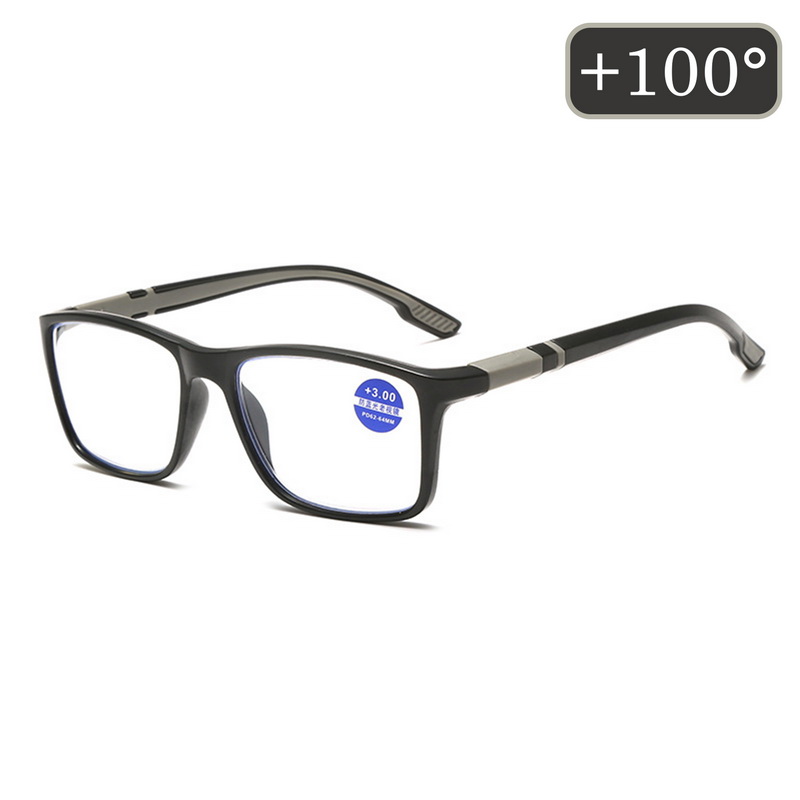
The truth: Good progressive readers need precise measurements and high-quality lens making. The Mozaer 2024 Portable Tr90 Reading Glasses are designed with this in mind. They focus on clear vision for men and women dealing with presbyopia or hyperopia. When glasses are made right, you get a much better experience. Another happy customer noted their positive experience, saying, "My person was able to tell me which frames I had from a 3 year old picture I showed her. She gave honest feedback on the frames I was trying." This kind of expert help ensures you get glasses that fit and work perfectly.
Verdict: Do not assume all glasses are equal. Look for brands known for precision and good materials, like the Tr90 frame material in Mozaer's progressive readers, which is known for its flexibility and durability. Always check reviews that talk about clarity and fit.
It's tempting to grab the cheapest pair of progressive readers you can find. People think they are saving money. But this often leads to more problems and costs later. Cheap glasses can cut corners on lens technology, frame material, and even how accurately the prescription is put into the lens.
What people experience when this myth is wrong: The user who paid $650.95 for two pairs and ended up with incorrect or missing lenses clearly did not get good value. A high price does not always mean high quality or good service, but a very low price almost always means lower quality. You might save money upfront, but then you struggle to see, get headaches, or the glasses break easily.
The truth: There is a balance between price and quality. You don't always need to spend hundreds, but you should expect to pay a fair price for good technology. For example, one customer found great value: "$200 all in (I added the blue light filter for $50)." They found this to be a great experience with knowledgeable staff and good quality. This price point delivered satisfaction and functionality, including an anti-blue light feature, which is offered in the Mozaer Shop products. It shows that value comes from getting a product that works, is comfortable, and lasts.
Verdict: Do not just buy the cheapest option. Research the materials and technology used. Look for features like anti-blue light, durable frames, and accurate prescriptions. Consider the long-term value over the immediate cost.
Many people dread buying new glasses. They think it will be a long, confusing process filled with pushy sales people or bad service. They believe getting an accurate prescription and fitting is always difficult.