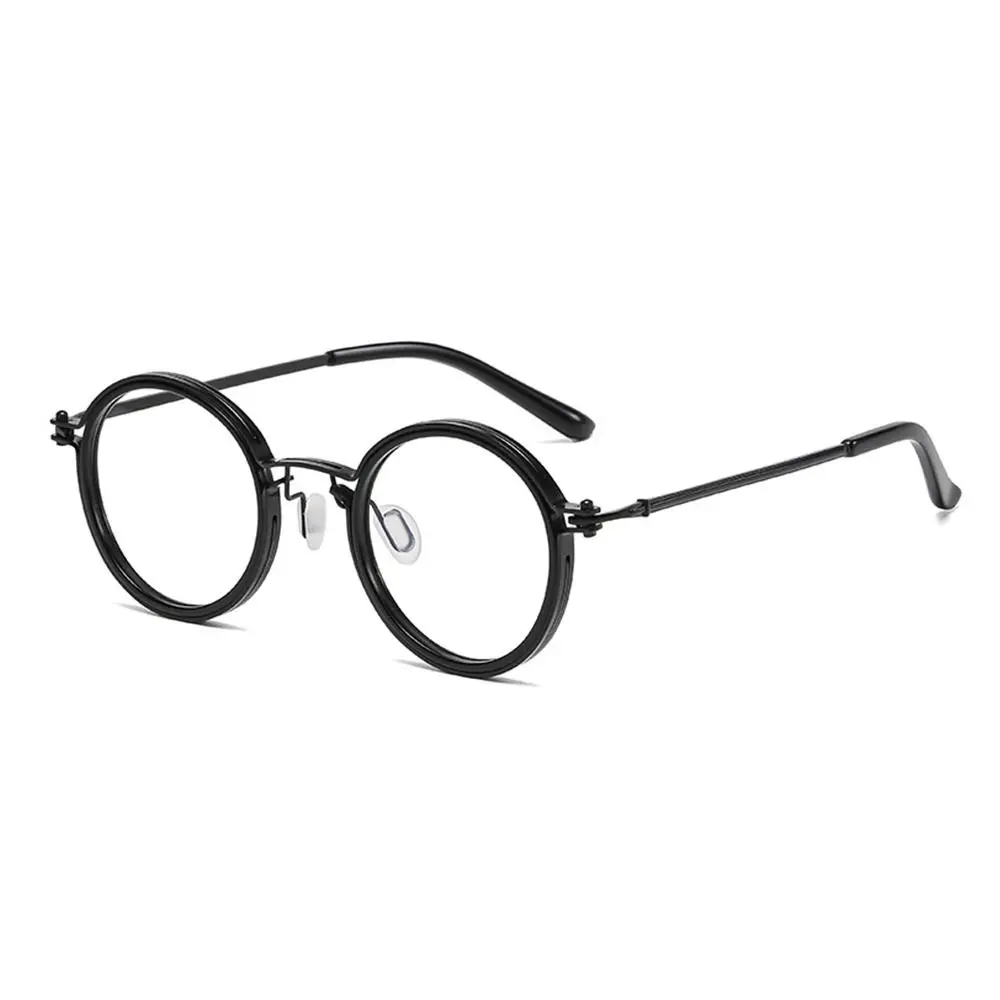
Finding the Mozaer Glasses can feel tricky. I’ve been there, making all the wrong choices. I thought I was smart, but my wallet and my eyes paid the price. I tried to save a buck, or sometimes I spent too much, all without thinking. I’m here to share my blunders so you don't repeat them.
By avoiding my mistakes, you will:
I get it, we all want to save money. When I first looked for best men's readers, my main goal was to find the lowest price. I'd scroll through endless listings, always clicking on the cheapest ones. I thought, "Readers are readers, right? How different can they be?" Big mistake.
What happened? The frames felt flimsy, like they would snap if I sneezed too hard. The lenses scratched easily, blurring my vision in no time. Sometimes, the magnification felt off, giving me headaches instead of help. It was a classic case of "you get what you pay for." I saved a few dollars upfront but ended up needing to buy new pairs constantly. This ended up costing me more in the long run.
The truth is, not all glasses are made equal. Just like that user feedback pointed out about expensive frames not always being worth it, the same goes for super cheap ones. You want to find value, not just the lowest price.
Verdict: Don't just pick the cheapest pair. Think about durability and clear vision. A slightly higher price often means much better quality that lasts.
When I was searching for best men's readers, I didn't pay attention to what the glasses were actually made of. Was it cheap plastic? Strong metal? Did the lenses have any special coatings? I just looked at the pictures and the price.
Learn from me. This was a huge oversight. Cheaper frames often use weak plastic or thin metal that bends out of shape quickly. The screws loosen fast, making the arms wobbly. The lenses might not have proper coatings, meaning more glare, more scratches, and no blue light protection.
The product description for a quality pair, like the Vintage Round Metal Frame Anti Blue Light Blocking Glasses, will tell you important details. It will talk about the metal frame, which is much stronger than plastic. It will mention anti-blue light blocking, which is great for protecting your eyes from computer screens. These are the kinds of details I completely ignored.
Verdict: Always check the materials. Look for durable frames (like metal) and lenses with useful features (like anti-blue light blocking). These small details make a big difference in how long your readers last and how well they protect your eyes.
This is probably one of the biggest errors I made. I'd glance at the star rating, but I rarely took the time to read what people were actually saying. I thought a 4-star average was good enough, without looking deeper. Big mistake.
If I had read reviews properly, I would have seen real insights. For example, some users complained about "Expensive name brand frames that are sure to impress your shallow materialistic friends all for about $300 more than other frames." This kind of feedback tells you that sometimes, paying a lot doesn't mean you're getting value. It means some brands are just expensive for their name, not for real quality.